Tested. Ranked. No sponsored bullshit.
The Best Riding Crops, Ranked by Sting and Build Quality
The riding crop is impact play's precision instrument: one square inch of sting, delivered exactly where you aimed it, with a satisfying snap that does half the psychological work before the sensation even lands. Where paddles converse in paragraphs, crops speak in punctuation.
A good crop is a shaft with real spring, a keeper (the leather tip) that's stitched rather than glued, and a grip that won't rotate mid-swing. A bad crop is a car aerial with a flap stapled on. The difference costs about fifteen dollars and one disappointing evening. We ranked our impact lineup crop-first — with the supporting cast for when your scenes want a wider vocabulary. Aim matters; here's what to aim with.
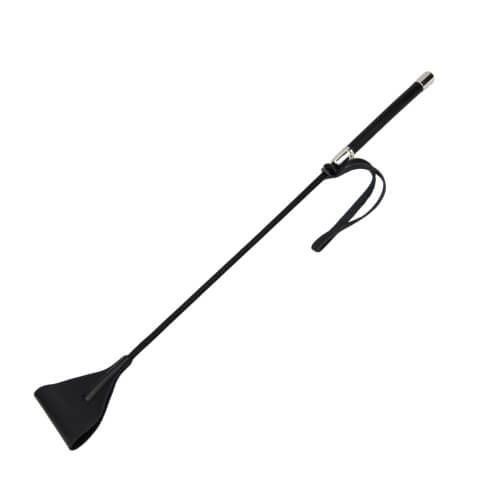
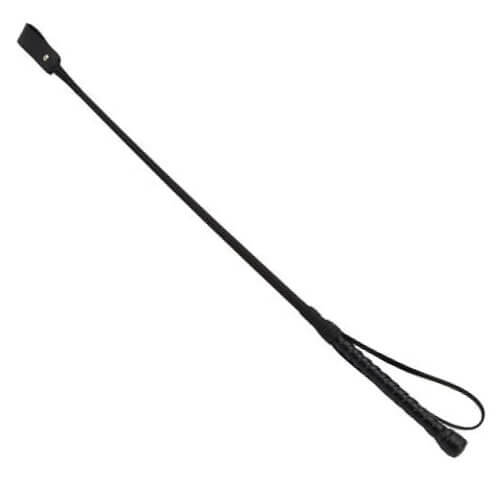 #2 — Best for beginners$29.99Bound Noir Nubuck Leather Riding Crop
Put the sting back in lambasting with the exquisite Bound Noir Nubuck Leather Riding Crop that will help you reach your partner no matter how long a leash you let them be on.…
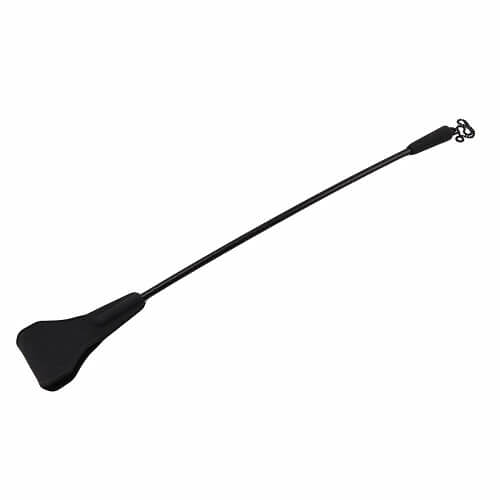 #3 — Best thud pairing$17.99Bound to Please Silicone Riding Crop
Perfect for beginners and experienced connoisseurs of impact play alike, this riding crop will bring about exquisite pleasure and pain. Indulge in the sensation if you are on the…
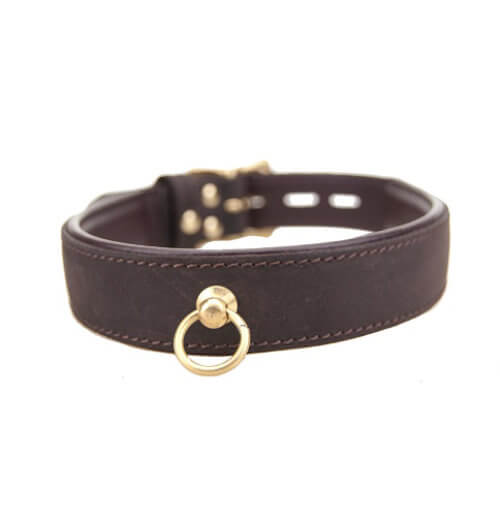 #4 — Best premium$29.99BOUND Nubuck Leather Choker with 'O' Ring
Add a professional look and feel to your BDSM scenes with our exquisite bondage range, BOUND. Check out and complete your BOUND collection with our exclusive nubuck leather wrist…
How to choose (read this before you buy)
Aim, anatomy, and buying right
Where to hit — the actual map. Padded, muscular areas only: butt, backs of thighs, upper back's meaty sides. Never: spine, kidneys (lower back), neck, joints, face, or anywhere organs live near the surface. The crop's precision is exactly why you need the map — it goes precisely where you point it, including the wrong places.
Keeper construction. The leather tip takes every impact. Stitched keepers last years; glued ones delaminate into a projectile. Flex it at the join before first use.
Spring is the sensation. The shaft's flex stores and releases the snap. Too stiff hits like a stick (bruise-deep, no crack); too whippy is uncontrollable. Medium flex with a fast return is the sweet spot our top pick sits in.
Warm up like you mean it. Cold-start cropping at full force is how beginners end scenes in two minutes. Open with palms or the paddle's soft side, build color gradually, save the crop's full snap for a warmed canvas.
Check in with the whole scene. Impact floods people with endorphins — thrilled and past-their-limit look identical from behind. Safe word before, water and aftercare after, and inspect skin together as part of the ritual.
FAQs
- Does a riding crop hurt?
- It stings — sharp, bright, and localized, versus a paddle's broad smack or a flogger's deep thud. Intensity is entirely in the wrist: a flick is playful, a full swing is a statement. That range is why crops top precision rankings.
- Where should you not hit with a riding crop?
- Spine, lower back (kidneys), neck, head, joints, and anywhere bone or organs sit near the surface. Stick to the butt and backs of thighs — padded, muscular, and famously appreciative. Precision instruments demand precise maps.
- What's the difference between a crop, a paddle, and a flogger?
- Surface area and sensation: crops deliver pinpoint sting, paddles broad smack, floggers deep spread-out thud. Most scenes use them in sequence — thud to warm up, smack to build, sting to punctuate. That's why the ranking includes all three.
- How do you clean impact toys?
- Leather and suede: wipe with a barely-damp cloth, dry fully, condition occasionally. Silicone (the dragon tail): soap and water or a bleach solution — it's the only fully sanitizable option here, which matters if toys ever break skin. Marked skin means that toy is now that person's toy.