Tested. Ranked. No sponsored bullshit.
The Best Spreader Bars: Ranked by Rigidity, Range and Regret-Prevention
A spreader bar does one thing rope can't: it makes a position structural. Knots loosen, willpower wavers, thighs get tired — but a steel bar between the ankles is not open to renegotiation. Legs stay open; arguments stay closed.
What separates a good bar from a coat rack with cuffs: zero flex under real leverage, cuffs that hold without chewing ankles, and length adjustment that covers everything from modest to gymnastic. Below, our hardware lineup ranked from first-timer velcro to padlock-ready leather — plus the hogtie connector that turns any cuff collection into floor-based architecture. One safety note that outranks everything: a spread and bound person cannot catch themselves, so you never leave them alone. Ever.
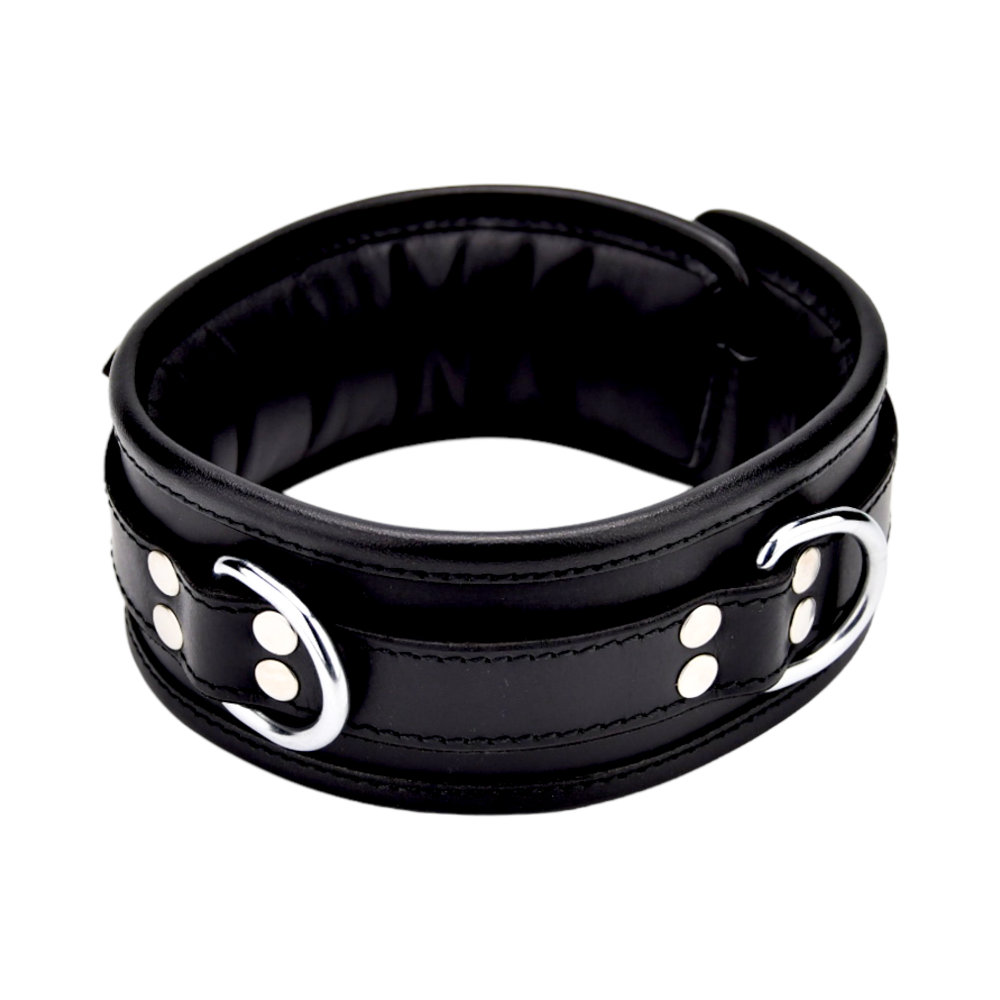 #1 — Best overall$60.99BOUND Leather Collar
Get Bound, feel Bound, be Bound! BOUND Padlock and Double Trigger Clip also available to use with this range. Please note, Bound Leash sold separately.
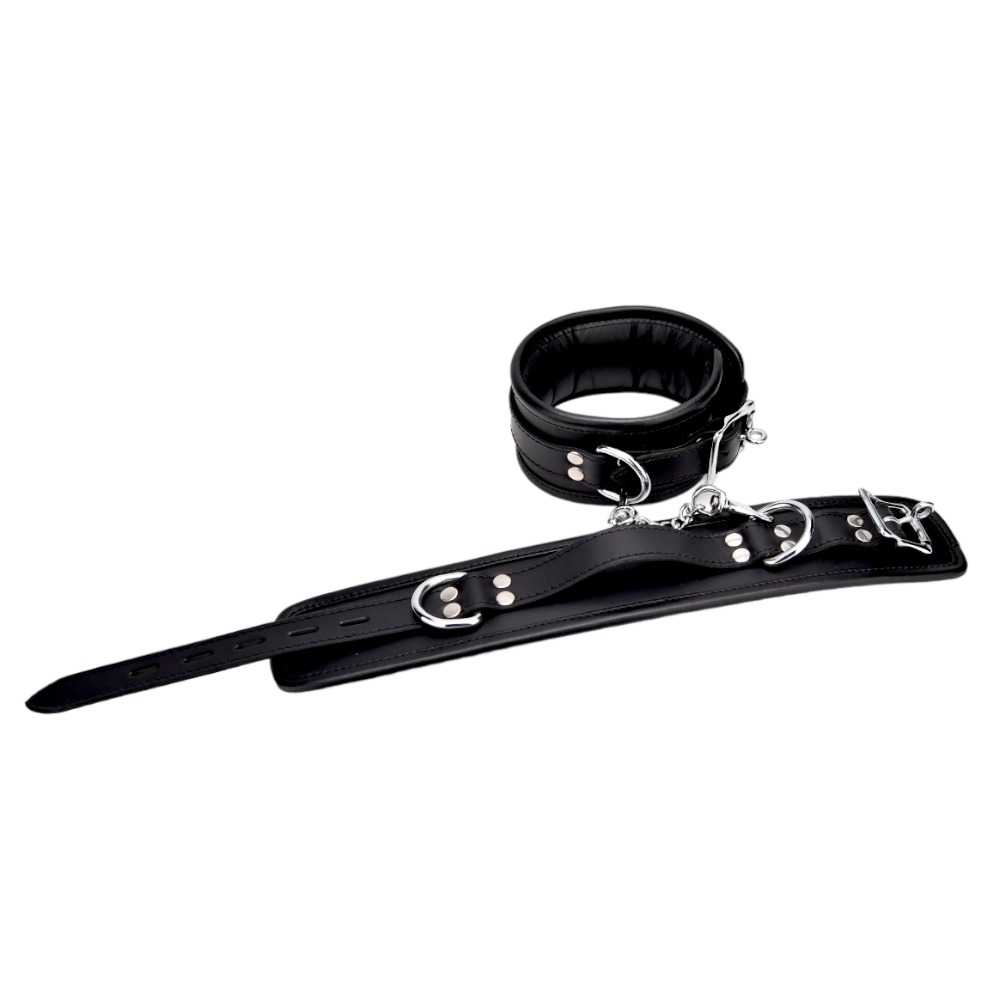 #2 — Best for beginners$66.99BOUND Leather Ankle Restraints
Get Bound, feel Bound, be Bound! BOUND Padlock and Double Trigger Clip also available to use with this range.
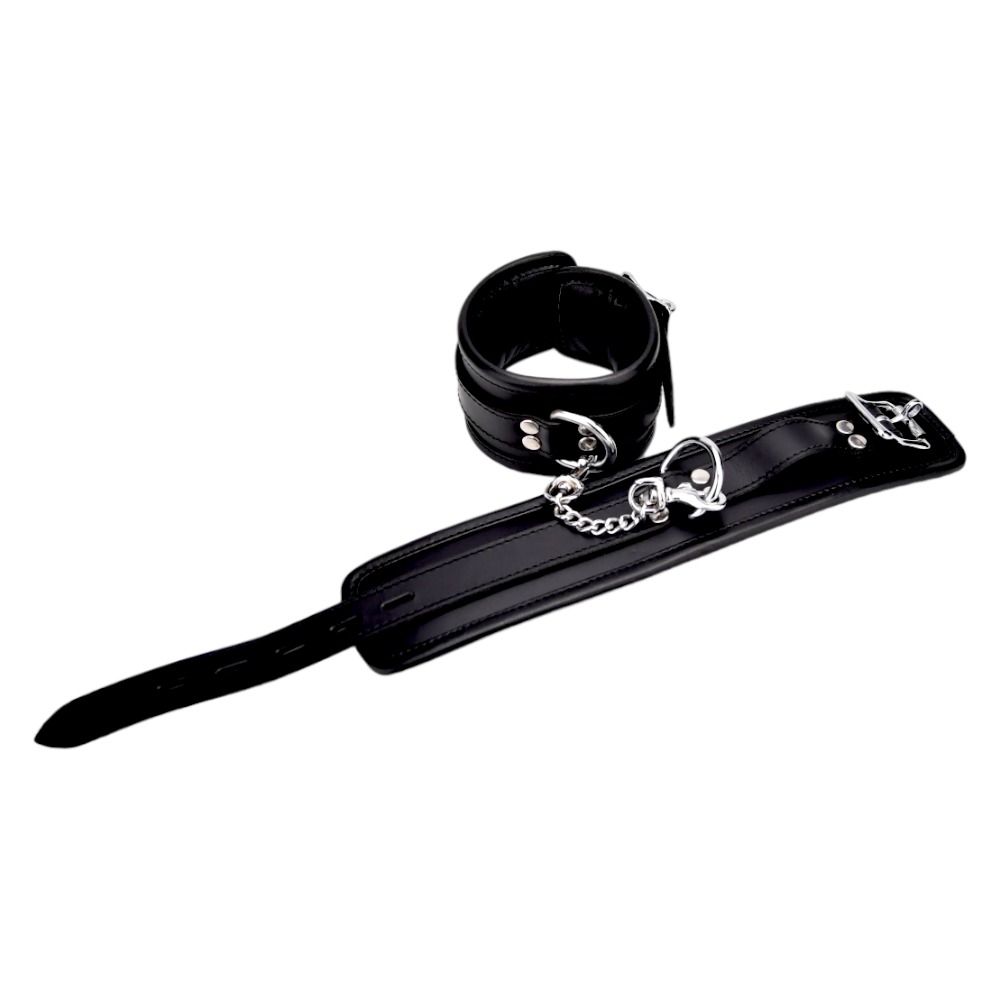 #3 — Best full-body option$60.99BOUND Leather Wrist Restraints
Get Bound, feel Bound, be Bound! BOUND Padlock and Double Trigger Clip also available to use with this range.
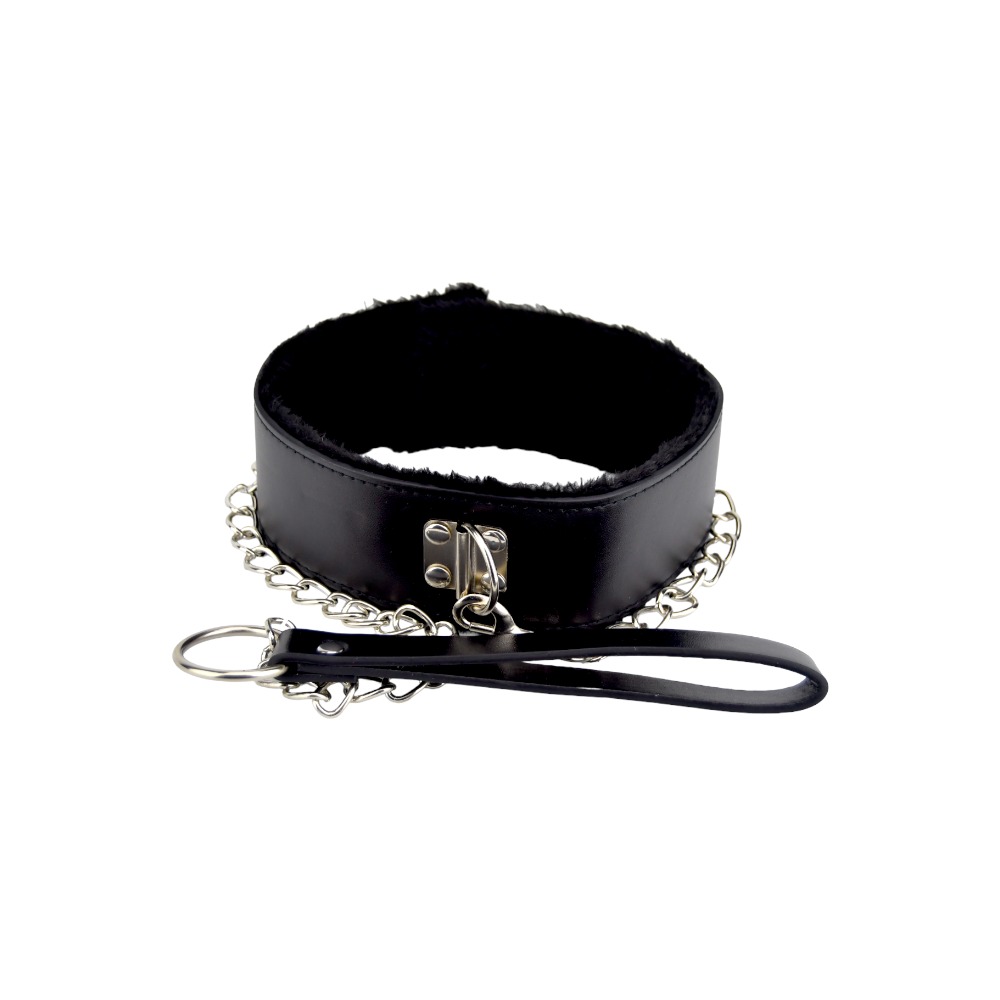 #4 — Best premium$16.99Bound to Please Furry Collar with Leash
Bound to Please Furry Collar with Leash Black Collar length: 51 x 5.5 cm, Leash total length: 101 cm Made from PU, polyester and metal
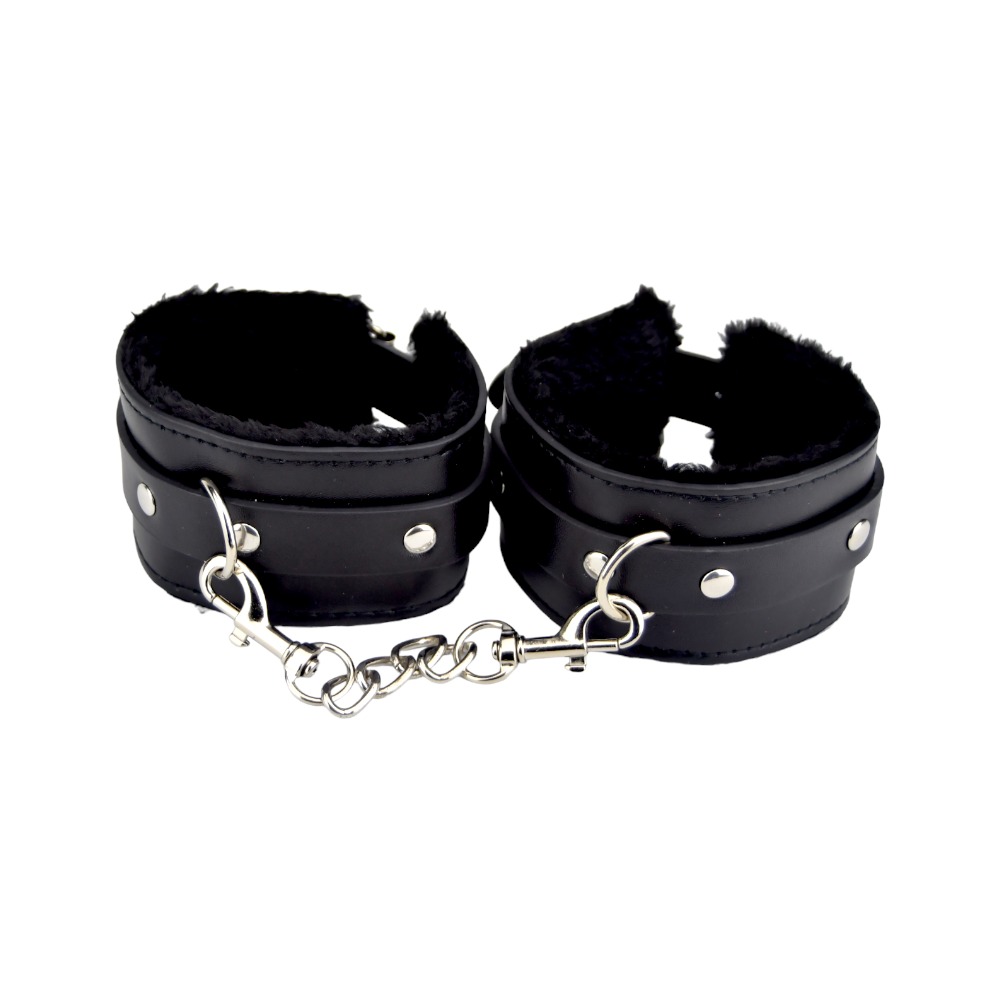 #5 — Best budget hardware$13.99Bound to Please Furry Plush Wrist Cuffs
Bound to Please Furry Plush Wrist Cuffs Black Cuff length: Cuff length: 31 x 5.5 cm, chain: 13cm Made from PU, polyester, and metal
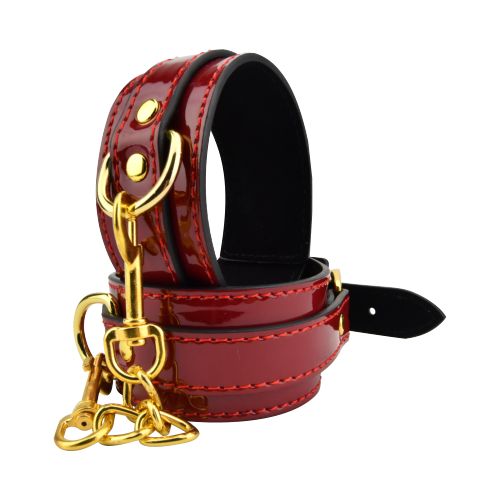 #6$32.99Bound to Please Red Ankle Cuffs
Make sure that there's no wiggle room with these beautiful Bound to Please Red Ankle Cuffs. Ideal for beginners, these restraints were made with new BDSM players in mind, but they…
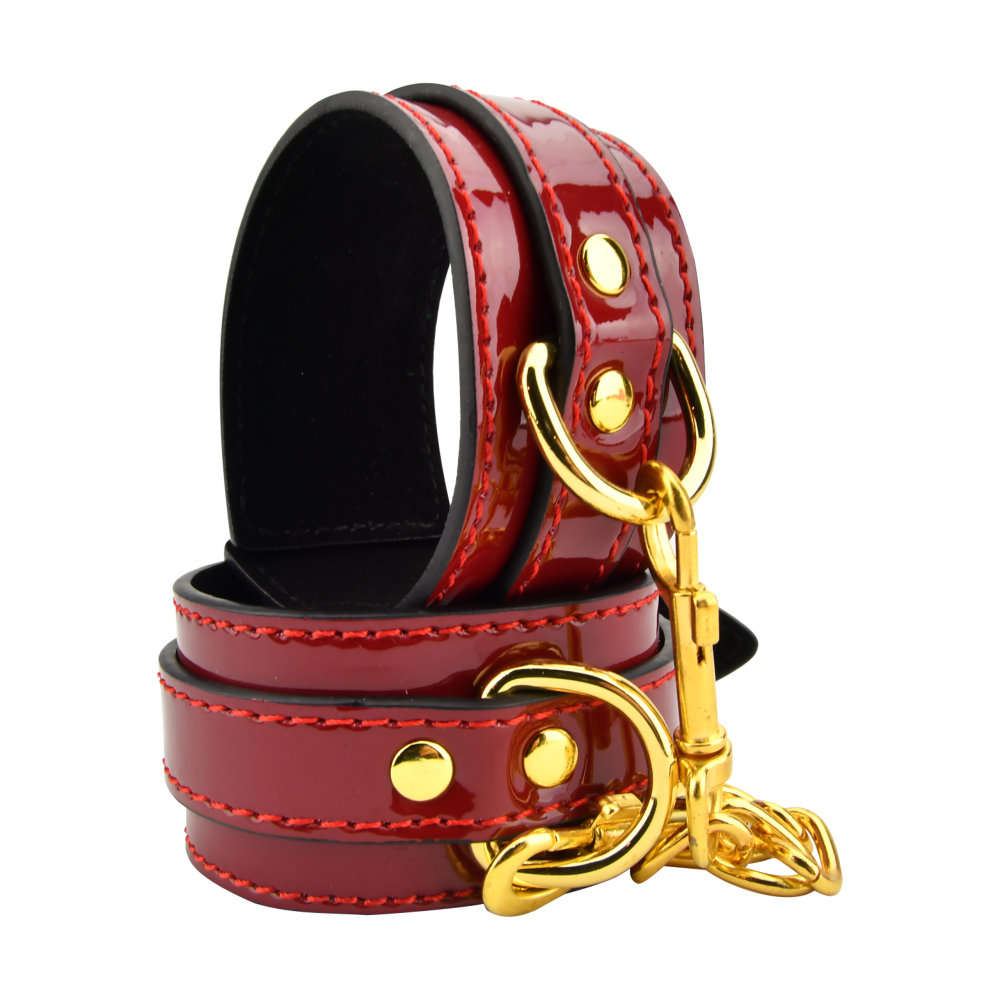 #7$26.99Bound to Please Red Wrist Cuffs
Make sure that nothing is off the cuffs with the stylish Bound to Please Red Wrist Cuffs. Restrict and control your partner',s movements with these beautiful, high gloss…
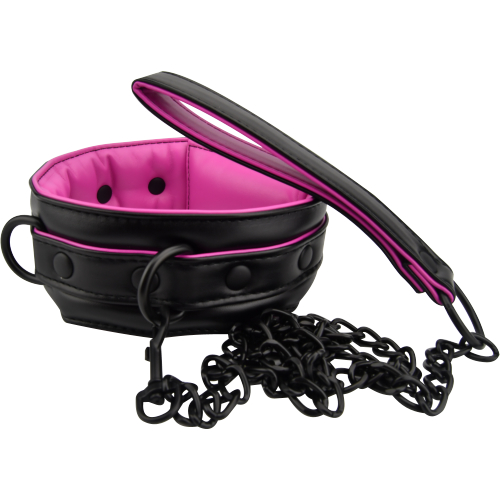 #8$33.99Bound to Please Pink & Black Bondage Collar & Leash
You will definitely get steamy hot under the Bound to Please Pink and Black Bondage Collar when you play out your darkest BDSM fantasies. Time to get strict reins over your…
How to choose (read this before you buy)
Structural integrity, in every sense
Flex is failure. A bar that bows under leverage isn't holding a position, it's suggesting one. Steel holds; aluminum compromises acceptably at starter weights; anything that creaks goes back.
Adjustability = longevity. Bodies, positions, and ambitions vary night to night. Locking length positions (not friction slides, which creep) keep one bar relevant for years.
Cuff quality decides scene length. Padding at the ankle bone, swiveling attachment points for natural joint angles, and quick-release somewhere in the system. Ankles are bonier than wrists and complain sooner — comfort is what makes 'longer' possible.
Match release speed to experience. Velcro: instant out, right for new players. Buckles: deliberate. Padlocks: a commitment — keys accessible to the top, shears in the nightstand as the always-answer.
Circulation checks every 15 minutes. Spread positions load hips and knees in unfamiliar ways. Cold toes, tingling, or numbness mean adjust or release now — 'pins and needles' is data, not ambiance. And once more for the back row: never leave a bound, spread person unattended. Balance is gone; you're the balance.
FAQs
- What is a spreader bar for?
- Enforcing a position — usually ankles apart — with a rigidity that rope and willpower can't match. The psychological load ('I couldn't close my legs if I wanted to') is at least half the product. Wrist versions and double sets extend the same principle to the whole body.
- Are spreader bars beginner friendly?
- Very, with velcro cuffs — arguably the friendliest restraint after silk ties, since there are no knots to learn and escape takes one second. Start with modest widths, keep sessions short while hips adapt, and graduate to steel when the flex starts annoying you.
- How wide should a spreader bar be?
- Beginners: shoulder-width-ish (60–75cm) — enough to feel it, not enough to strain hip flexors. Adjustable bars solve the question permanently, which is why our top pick locks at three lengths. Wider is earned over sessions, not declared on night one.
- Spreader bar vs rope — which is better?
- Rope is flexible, artistic, and skill-dependent; a bar is instant, rigid, and idiot-proof. Rope positions drift as knots settle; bar positions don't. Most kits end up with both — the bar for enforcement, rope for everything decorative around it.